Network Charges, Why Half Your Electricity Bill Isn't Negotiable
Executive Summary
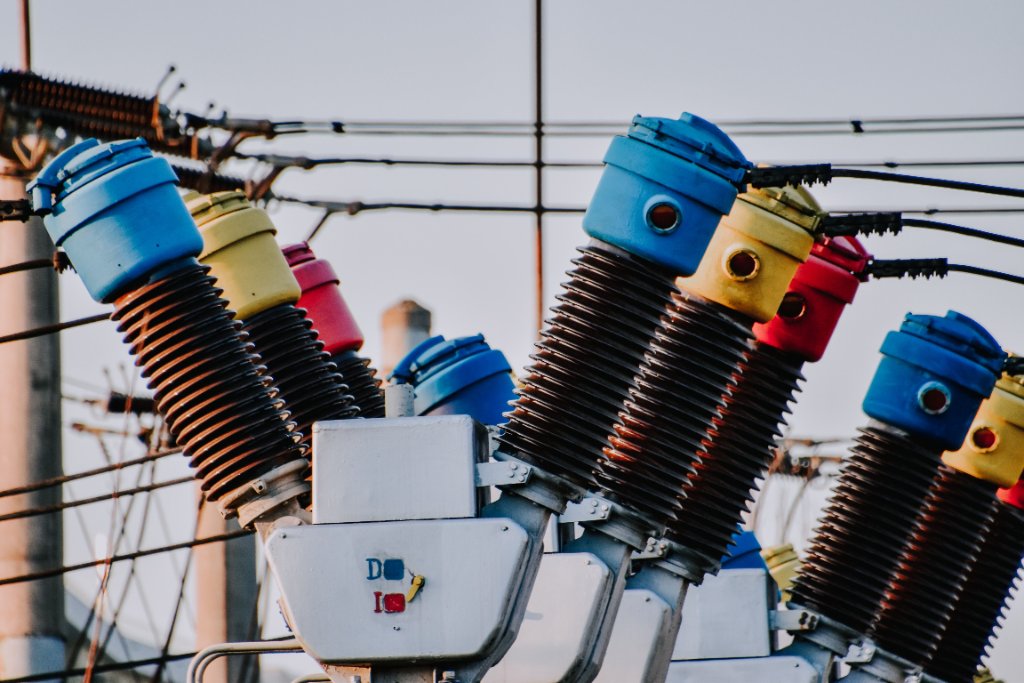
Network charges are the fees paid to the companies that own and maintain the poles, wires, and infrastructure that deliver electricity to your home. In NSW, these are charged by one of three distribution networks, Ausgrid, Endeavour Energy, or Essential Energy, depending on where you live.
Background
Australia's electricity grid is divided into generation, transmission, distribution, and retail. Distribution networks are regulated natural monopolies, it would be impractical to build competing sets of poles and wires in the same suburb. The Australian Energy Regulator regulates their revenue and sets the prices they can charge, reviewed every five years.
NSW has three distribution networks: Ausgrid (Sydney, Central Coast, Hunter), Endeavour Energy (Western Sydney, Blue Mountains, Illawarra), and Essential Energy (regional and rural NSW).
What Happened
Network charges are passed through to customers by retailers on a cost-recovery basis. They are not negotiable and do not vary between retailers for the same location. The charges include a daily supply charge (fixed) and, in some cases, capacity-based or demand-based components.
Network charges have been a significant driver of electricity price increases over the past decade, partly due to investment in grid upgrades and partly due to the cost of connecting distributed solar generation. The five-yearly regulatory determinations by the AER set the revenue allowance for each network.
Market Impact
Because network charges are location-based and retailer-independent, they create a price floor that limits how much any retailer can discount. A customer in an Ausgrid area will always pay similar network charges regardless of which retailer they choose.
This means that comparing plans is about the retail component of the bill, usage rates, feed-in tariffs, and discounts, not the network component. Retailers compete on the portion they control, which is typically 50–60% of the total bill.
Why It Matters
Understanding that roughly half your bill is fixed network cost helps set realistic expectations when comparing plans. If a retailer claims savings of 40%, those savings apply only to the retail margin and usage rates, not to the network charges. A 15–25% reduction in the total bill is typically the realistic ceiling for switching retailers.
Your distribution network is determined by your location, not your retailer. Moving suburbs can change your network and your network charges, even if you keep the same electricity provider.
Key Takeaways
- Network charges make up roughly 40–50% of a typical NSW electricity bill
- They are set by regulated distribution monopolies (Ausgrid, Endeavour Energy, Essential Energy)
- Network charges are identical across all retailers for the same location
- They cannot be negotiated or discounted by any retailer
- Realistic savings from switching retailers are typically 15–25% of the total bill
Last reviewed: 1 July 2026
Unlock GridMate for $10/month
Get full access to all guides, market insights and bill analysis tools.
Currently supports single-rate tariffs. Time-of-use and controlled load support coming soon.
Already a member?